Turning awareness into action: a region stepping into climate resilience
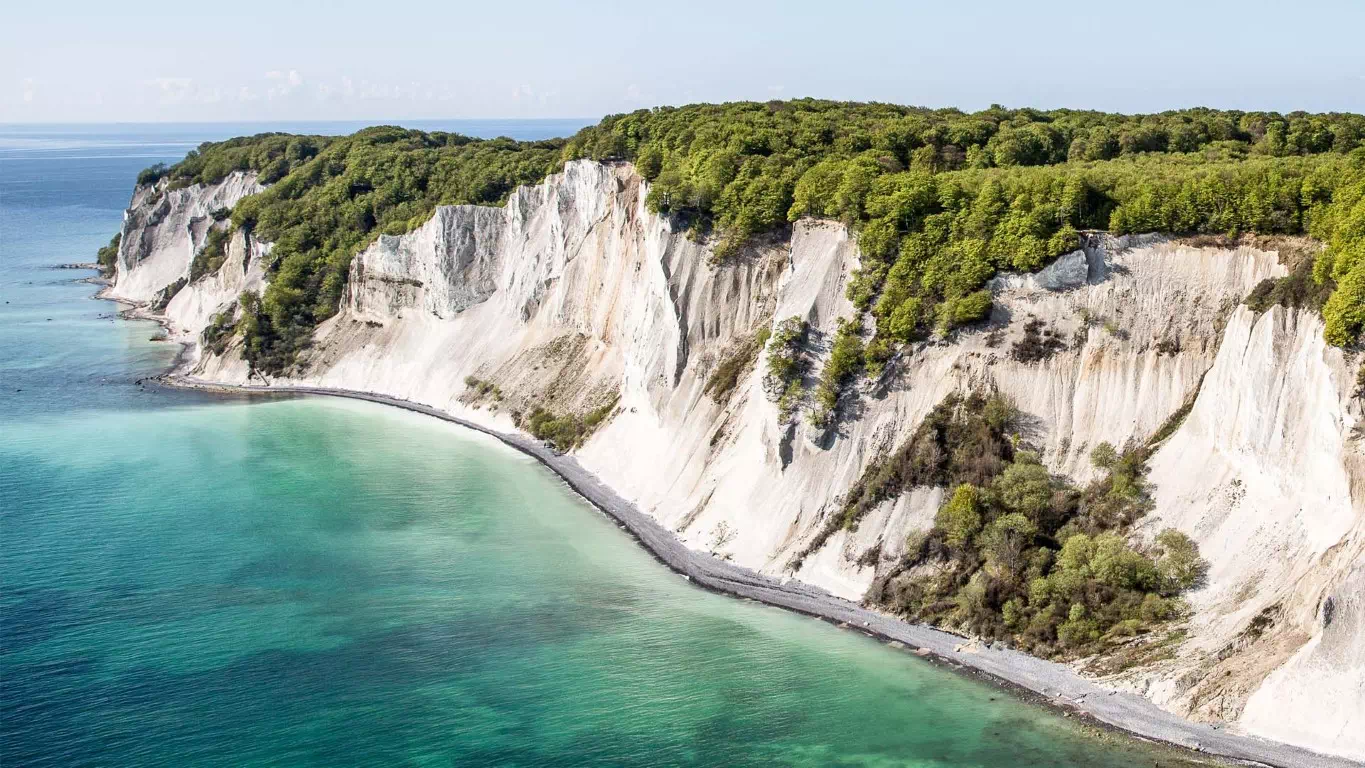
Stretching across most of Denmark’s largest island and a constellation of nearby smaller islands, Zealand is a region defined by its close relationship with the sea. Home to more than 820,000 people, its landscapes, communities, and infrastructure are deeply shaped by coastal dynamics, making climate resilience not just a policy issue, but a lived reality.
Living with water and rising risks
For Zealand, coastal flooding is not a distant threat but a recurring challenge. Over the years, major flood events have disrupted large parts of the region, leaving both human and economic consequences.
The events of October 2023 served as a stark reminder. Exceptionally high-water levels hit large stretches of the eastern and southern coasts, exposing vulnerabilities and reinforcing the urgency to act.
At the same time, a quieter but equally significant risk is emerging heat.
In a country known for its mild climate, heatwaves are becoming more frequent. What is currently an average of two heatwave days per year could rise to eight by the end of the century, placing new pressure on health systems and communities, and reshaping how the region must prepare for the future.
From no resources to a clear direction
Despite these growing risks, Zealand has entered the Pathways2Resilience journey without dedicated resources for climate change impacts. This makes one of its priorities both simple and critical: unlocking funding.
At the same time, the region is working toward something more structural: a comprehensive regional emergency management strategy. P2R is helping to turn this need into a concrete, coordinated process.
Another challenge lies in how solutions are understood. Nature-based solutions are already being promoted, but they are often framed as sustainable development projects rather than climate adaptation measures, limiting their recognition and potential.
A journey just beginning
Zealand’s position within the Regional Resilience Journey reflects both opportunity and challenge, which they started with medium readiness in the first phase (Prepare the Ground) and low readiness in the next phases (Build a Shared Vision and Desing Pathways).
Strong capacities in finances and resources, and knowledge and data have provided a solid base to build on, especially as the region homes in on health and human wellbeing.
The real breakthrough: shifting mindsets
For the Zealand climate team, the most meaningful success of P2R is not a single project or policy; it is a shift in perspective.
Climate resilience has moved from being an implicit, scattered concern to a visible and shared priority. Where actions were once fragmented across daily operations, there is now a growing recognition of the need for a coordinated, organisation-wide approach.
This shift is already translating into action.
Opening doors: from P2R to European collaboration
One tangible outcome is Zealand’s participation in the EU Interreg project Climate Resilience in the Healthcare Sector (KIS).
This opportunity did not emerge in isolation but was made possible by the analytical groundwork, stakeholder engagement, and strategic direction developed through P2R. In the words of the regional team, without the Regional Resilience Journey, this step would simply not have happened.
From fragmented efforts to collective resilience
Perhaps the most powerful transformation underway in Zealand is the shift from doing things separately to thinking and acting together.
Climate resilience is no longer embedded only in siloed facility management practices or operational routines. It is becoming a cross-cutting priority, one that requires shared knowledge, stronger coordination, and the ability to learn from past events.
As extreme weather intensifies, this approach is not optional. It is essential.
A region at a turning point
Zealand’s story is not one of the finished solutions, but of a region at a pivotal moment.
With rising risks, limited initial resources, and growing awareness, the path forward is being shaped in real time. Through Pathways2Resilience, Zealand is a step closer to connecting the dots between data and decisions, between isolated actions and collective strategy, and ultimately, between vulnerability and resilience.