Source: The Port of Klaipėda
The Port of Klaipėda: Building Resilience Through Collaboration, Overcoming Challenges, and Engagement
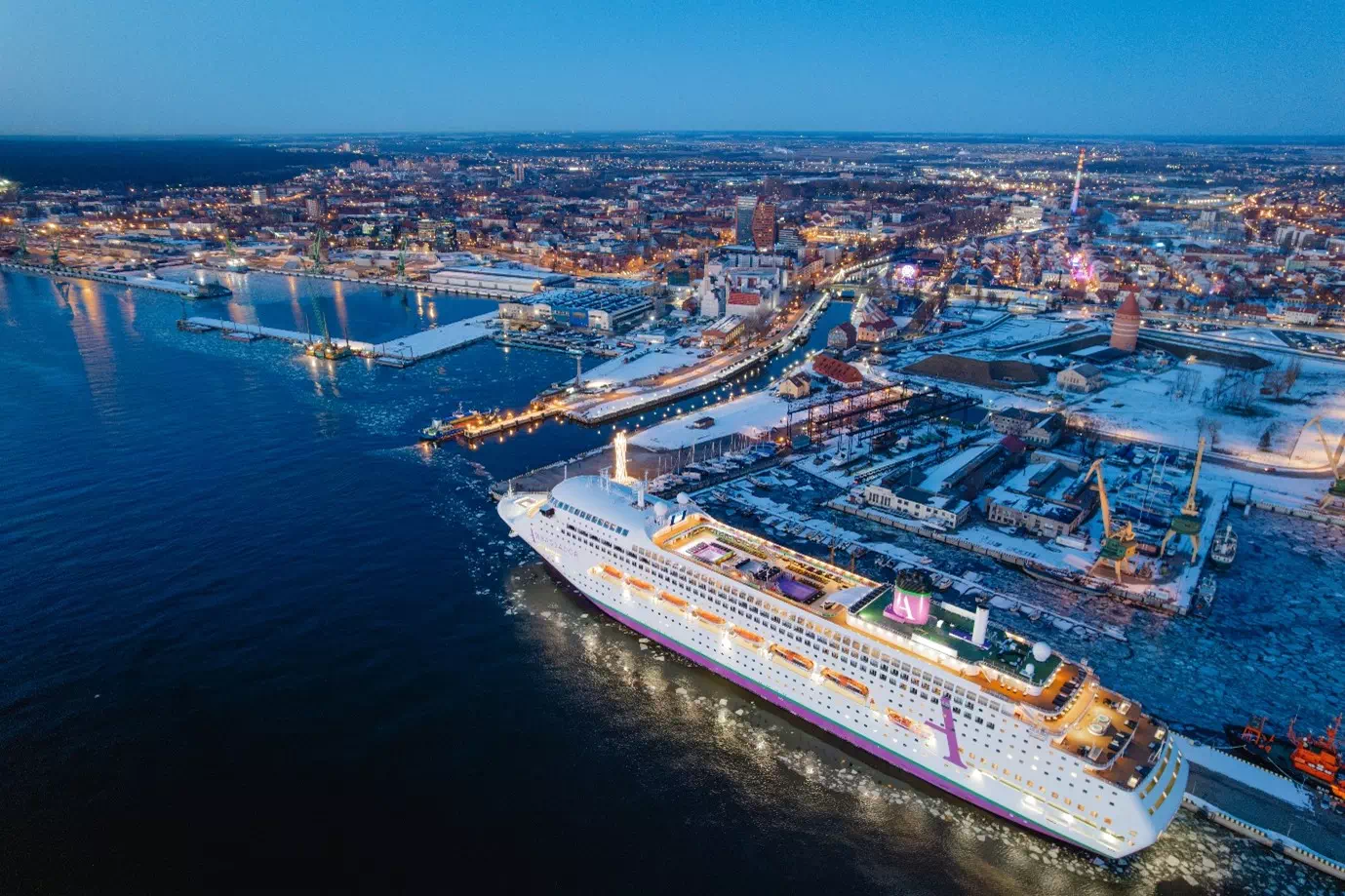
The Port of Klaipėda is Lithuania’s most important and largest transport hub, where sea, land, and rail routes from the east and west converge. It‘s a national maritime gateway and a core TEN-T port of European significance. The Port supports over 6% of national GDP, ensures critical energy security functions (including LNG imports), and anchors regional employment and logistics. The year-round ice-free deepwater seaport borders the city of Klaipėda in the East, the Curonian Spit in the West, the Curonian Lagoon in the South and the Baltic Sea in the North. Its location—adjacent to dense urban area, protected natural sites (including Natura 2000), and strategic transport corridors—creates a complex interface between economic development, environmental protection, and community well-being.
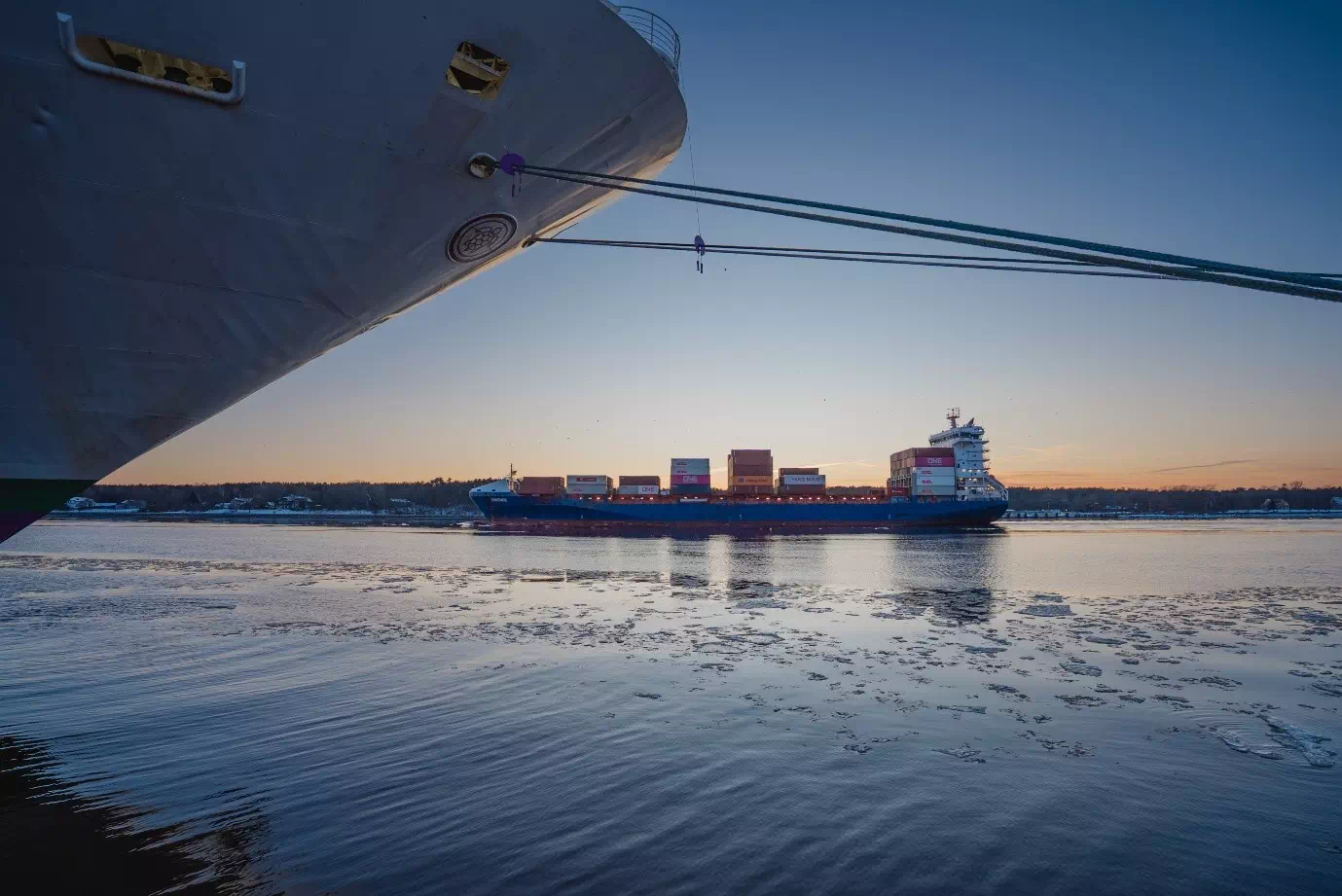
Climate change is already affecting Port operations, mainly through increased storminess, wave activity, and sedimentation. These impacts threaten national security, supply chain continuity, and the competitiveness of Lithuania’s maritime sector. Naturally, these were the leading factors for the Port to join the Pathways2Resilience program.
The Klaipėda Region consortium is led by the Klaipėda State Seaport Authority (KSSA), with its Sustainability and Environmental Protection Division acting as the project coordinator. Project implementation is carried out by JSC MC Baltics, a consulting company. Other consortium members include the Association of Lithuanian Stevedoring Companies, the Klaipėda Chamber of Commerce, Industry and Crafts, and the Association Klaipėda Region, which unites six municipalities (Klaipėda, Kretinga, Neringa, Palanga, Skuodas, and Šilutė District Municipalities). Through the creation of this consortium, the Klaipėda Port is making significant strides in enhancing its resilience by fostering collaboration, embracing challenges, and engaging diverse stakeholders.
Inclusive Dialogues
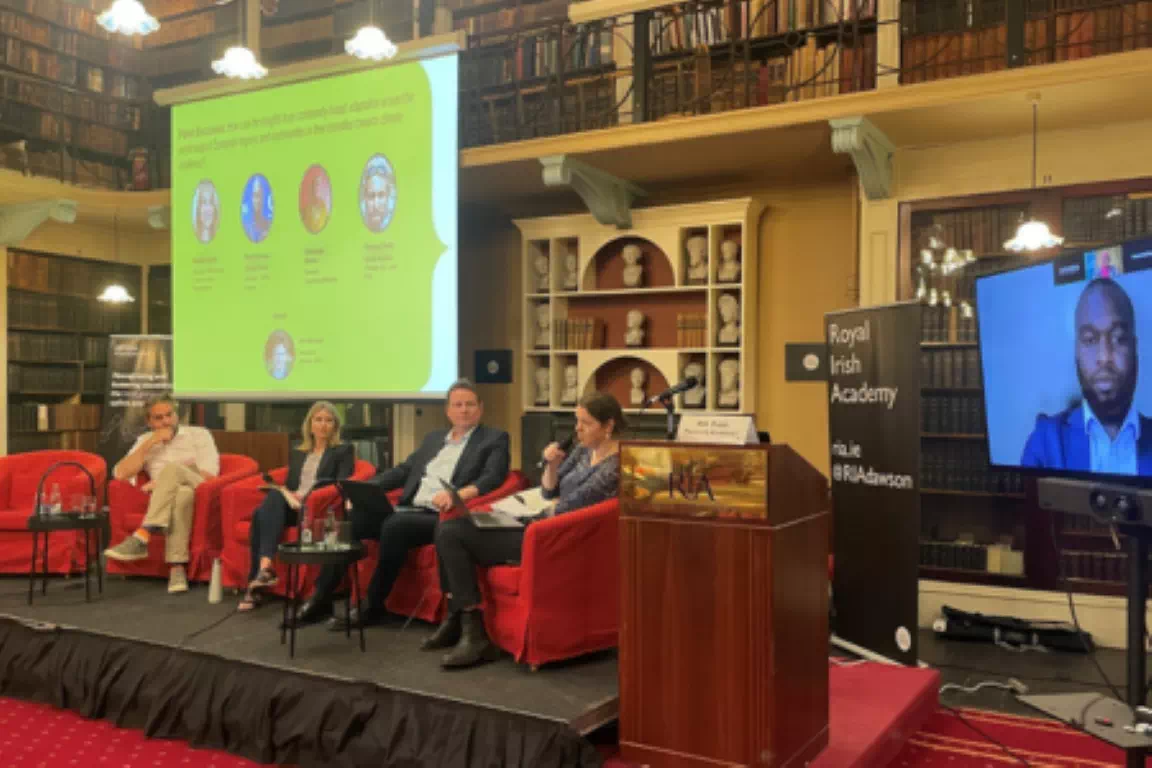
As part of the second phase of the P2R project, which aims to build a shared vision, a strategic session was held on September 9, 2025, at the Port of Klaipėda. The session brought together experts from the Port and MC Baltics, as well as representatives from nine national and regional institutions, organizations, and academic bodies. In addition to consortium members, participants included the Ministry of Transport and Communications, the Ministry of Environment, the Lithuanian Hydrometeorological Service, the Curonian Spit National Park Directorate, Klaipėda University, and the Nature Research Centre. It is worth noting that this was already the second interdisciplinary meeting held in the framework of the P2R project. Furthermore, the Port of Klaipėda, aiming for just resilience, actively engages in initiatives that involve and inform the local community.
Diverse participation fosters an inclusive dialogue and encourages the exchange of ideas, ensuring that the project benefits from broad societal and stakeholder insights.
Strong Stakeholder Engagement Driving Change
Stakeholder involvement was evident throughout the meetings. Participants demonstrated a deep investment in climate adaptation and resilience, viewing these issues as immediate priorities rather than abstract concepts. Their active participation has strengthened the project’s foundation, grounding resilience plans in local knowledge while garnering broad support for implementation.
The strategic session successfully helped to develop a collective vision for Klaipėda Port’s resilience journey. Participants gained a clearer understanding of shared goals and next steps, setting the stage for translating plans into concrete actions. This collaborative momentum is crucial as the project moves into the pathways of decision-making and implementation.
Supportive National Context and Increased Awareness
The Lithuanian government is advancing climate policy, with a new Law on Adaptation to Climate Change expected to be enacted in 2026. This legislation will clarify institutional responsibilities, incorporate adaptation into national plans, and establish a legal framework that supports local resilience efforts. Meanwhile, stakeholder knowledge has grown markedly thanks to P2R workshops and resources, with Port stakeholders now better equipped to recognize climate risks and incorporate them into planning.
Pathways to Resilience: Challenges and Opportunities
As for the consortium partners, three words capture the Port’s pathway to resilience: challenging, collaborative, and engaging.
The Klaipėda team has demonstrated strong commitment toward its Regional Resilience Journey (RRJ) and Adaptation Investment Cycle (AIC).
Through the project’s P2R tools and MC Baltics consultants’ materials, participants gained practical knowledge in adaptation, resilience, and risk assessment, actively involving the Port of Klaipėda stakeholders in the process. The result is a more informed, connected, and ready community poised to turn resilience plans into tangible outcomes.
Challenges and the Road Ahead
Despite notable progress, several challenges remain:
- Stakeholder Engagement: KSSA manages state‑owned Port territory and infrastructure, ensuring safety, development, and compliance with national regulations. However, adaptation is not yet systematically embedded in strategic planning, and responsibilities across subjects remain fragmented. Without tangible proposals, stakeholder motivation can waver. Presenting concrete strategies and action plans is essential to sustain engagement.
- Innovation vs. Adaptation: Applying emerging innovations to real-world actions to improve climate change adaptation measures is challenging but exciting, especially through the implementation of Horizon Europe projects. A continuous innovation system generates new ideas and applies them in an international environment while sharing best practices.
- Financial/Economic Evidence: The Port lacks comprehensive data to monitor the costs of evaluated climate impacts, complicating economic analysis and budgeting.
- Sectoral Complexity: Engaging active subjects, who prioritize mandatory short-term operations, remains challenging given the resource-intensive nature of adaptation measures.
Klaipėda Port’s resilience journey exemplifies how a challenging, yet collaborative and engaging approach can foster meaningful progress. By strengthening stakeholder ties, building local knowledge, and tackling complex obstacles, the Port is paving the way toward a more resilient future that benefits the community and the environment alike.
Source: The Port of Klaipėda