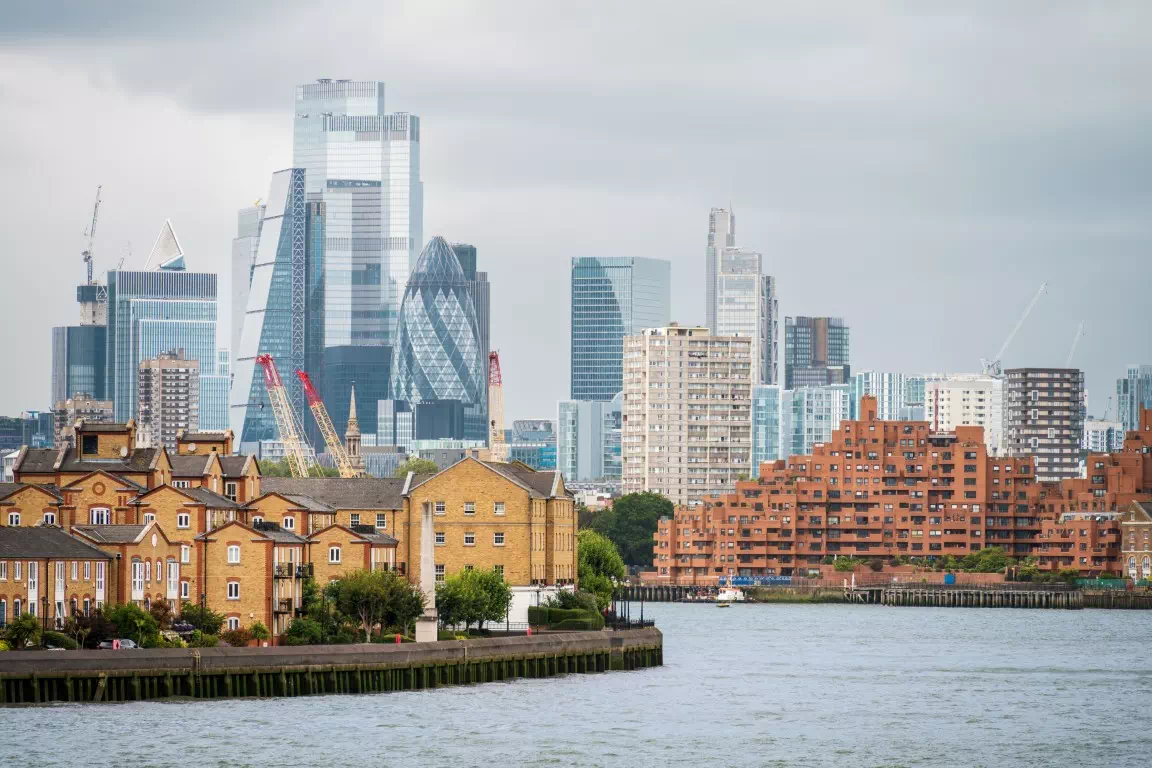
Image credit: Alisdare Hickson / Flickr / CC BY-SA 2.0
Greater London Authority: Building Heat Resilience through stakeholder engagement and evidence
In July 2022, temperatures in London exceeded 40°C for the first time in recorded history. Heat impacts across that summer resulted in 387 excess deaths and an estimated £1.5 billion in economic damages associated with impacts to productivity, health, school closures, wildfires, as well as pressure on emergency services, hospitals, transport systems, the energy grid and vulnerable communities. This moment marked a turning point in how the Greater London Authority approaches climate resilience.
London is already experiencing rising temperatures, and the impacts are becoming clearer across the city. Warm spells and heatwaves are becoming more common and intense, with the Met Office reporting that the likelihood of a very hot day (40 °C) in the UK is now 20 times more than in the 1960s. The length of warm spells in England has more than tripled, with the highest increase seen in the Southeast of the United Kingdom. This poses significant risks to public health, housing, public spaces, infrastructure, nature, and essential services. These risks are not shared equally. Lower-income communities, people with existing health conditions, older Londoners, children, renters, and people living in areas with less green space can face greater exposure and have fewer options to adapt.
To meet this challenge, the Greater London Authority (GLA), along with London Councils, joined the Pathways2Resilience project to develop Heat Ready London – the Mayor’s call to action for adapting the city to a warmer climate. The report identifies priority areas of focus where action is needed for the city to adapt to higher temperatures, including cooler homes and public buildings, shaded streets and public spaces, more resilient infrastructure, emergency response, and the delivery of green and blue infrastructure. It sets out what needs to happen now and what should be planned for over the longer-term future. Recognising the gap between action needed and finance available, the report is underpinned by a funding and finance analysis of how costs for selected heat mitigation measures could be covered to scale delivery. By setting out both immediate and longer‑term measures and identifying the potential routes to financing these, the report aims to support the development of a safer, healthier, and more climate‑resilient London.
London’s P2R Journey: collaboration at the centre
London’s governance on heat adaptation is complex. Many organisations have different roles to play, but no single organisation can manage heat risk alone. Responsibilities span local, regional and national government, health services, emergency services, utilities, infrastructure operators, businesses, landowners, community organisations, and residents. This makes collaboration central to adapting the city to a warmer climate.
To overcome this challenge, in developing Heat Ready London, the GLA collected data and conducted sector analyses to identify priority areas of focus and held a round table to align stakeholders to a shared vision of what needs to be done. The plan covers six sectors: built environment; business and economy; emergency preparedness and response; health and care; infrastructure; and nature. These sectors were selected through engagement with a multi-sector group of stakeholders convened by the London Climate Ready Partnership. The priority areas of focus where action is needed were selected by evidence review, multi-criteria assessments, stakeholder workshops, and sector-specific discussions.
To develop this work, the GLA worked with London Councils, who represent the 33 Local Authorities that make up London, to facilitate engagement and participation across the capital. In this way, they have set a strong example and learning for other large metropolitan areas in Europe that have several smaller administrative units.
Moving forward: Financing Heat Resilience
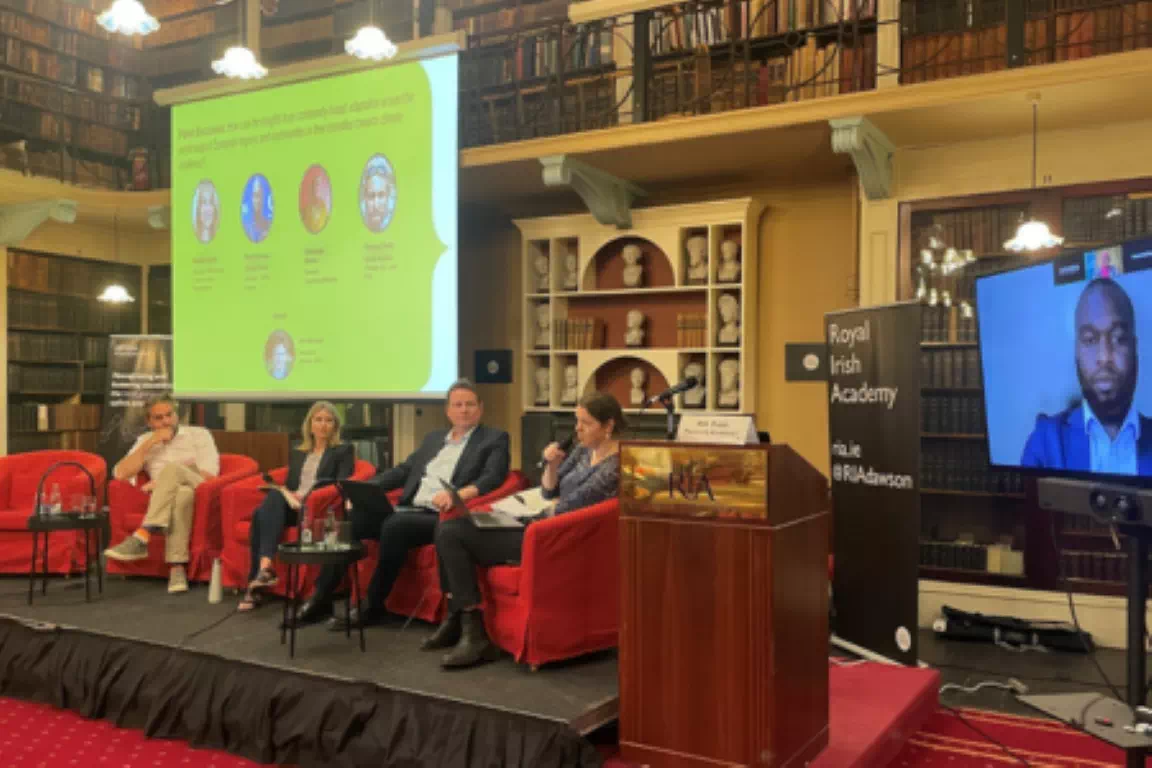
To better understand the funding challenge, the GLA conducted interviews with local authority officers to map the funding and finance landscape relevant to heat-risk mitigation in London. This work explored existing sources of funding, barriers to scaling finance, and opportunities to diversify investment. The findings were tested in a workshop with representation from more than half of London boroughs, bringing environment and finance officers across local authorities together to explore practical approaches to funding and financing heat adaptation to inform the basis of a more detailed funding and finance assessment.
With Pathways2Resilience support, London has gone beyond the core project requirements by developing a costing of the 2022 heatwave, to be published as supporting evidence shortly after the publication of Heat Ready London. This strengthens the economic case for action by showing the real cost of inaction, and the range of stakeholders that bear the costs. With the support of consultants, the funding and finance work also includes a bespoke cost-benefit analysis of retrofitting London’s most heat-exposed homes, as well as literature review and high-level assessments of the costs and benefits for other selected priority measures.
Heat Ready London itself explores the type of value generated by heat adaptation measures and who those benefits may reach to better understand what funding and finance models may be relevant. These models were tested and refined in a workshop with various funders and financiers across London. The plan also identifies the wider changes needed to help unlock investment, including stronger evidence and project pipelines, that could help money flow to where it is needed most.
This work marks an important first step in understanding how London might pay for heat adaptation. The full analysis will be presented in a technical report published shortly after Heat Ready London. Further work will be needed to strengthen the evidence base, test delivery and finance models on the ground, and ensure adaptation is delivered fairly, effectively and at the scale London needs.
“The Pathways2Resilience programme has provided invaluable support in helping us engage local authorities on the practical challenges of funding heat adaptation and exploring potential financing approaches. Their economic cost assessment has also strengthened the evidence base for the Heat Ready London, helping us demonstrate the cost of inaction and the need to invest now”
Senior Policy Officer and Adaptation Finance Lead – Jonathan Ammoun